Systems That Maintain Indoor Comfort Year-Round
Residential HVAC Services in Falls Church for homes experiencing uneven temperatures, system failures, or rising energy costs
Uneven heating between upstairs and downstairs rooms, or a furnace that cycles on and off repeatedly, signals that your residential HVAC system isn't distributing conditioned air properly or that components are wearing out. Metro Air diagnoses the underlying cause—whether it's ductwork leakage, a failing blower motor, refrigerant loss, or a thermostat reading incorrect temperatures—and provides repair or replacement services for forced-air heating and cooling systems in Falls Church homes. You get a technician who tests airflow at registers, measures temperature differentials, and inspects equipment for mechanical wear before recommending specific repairs.
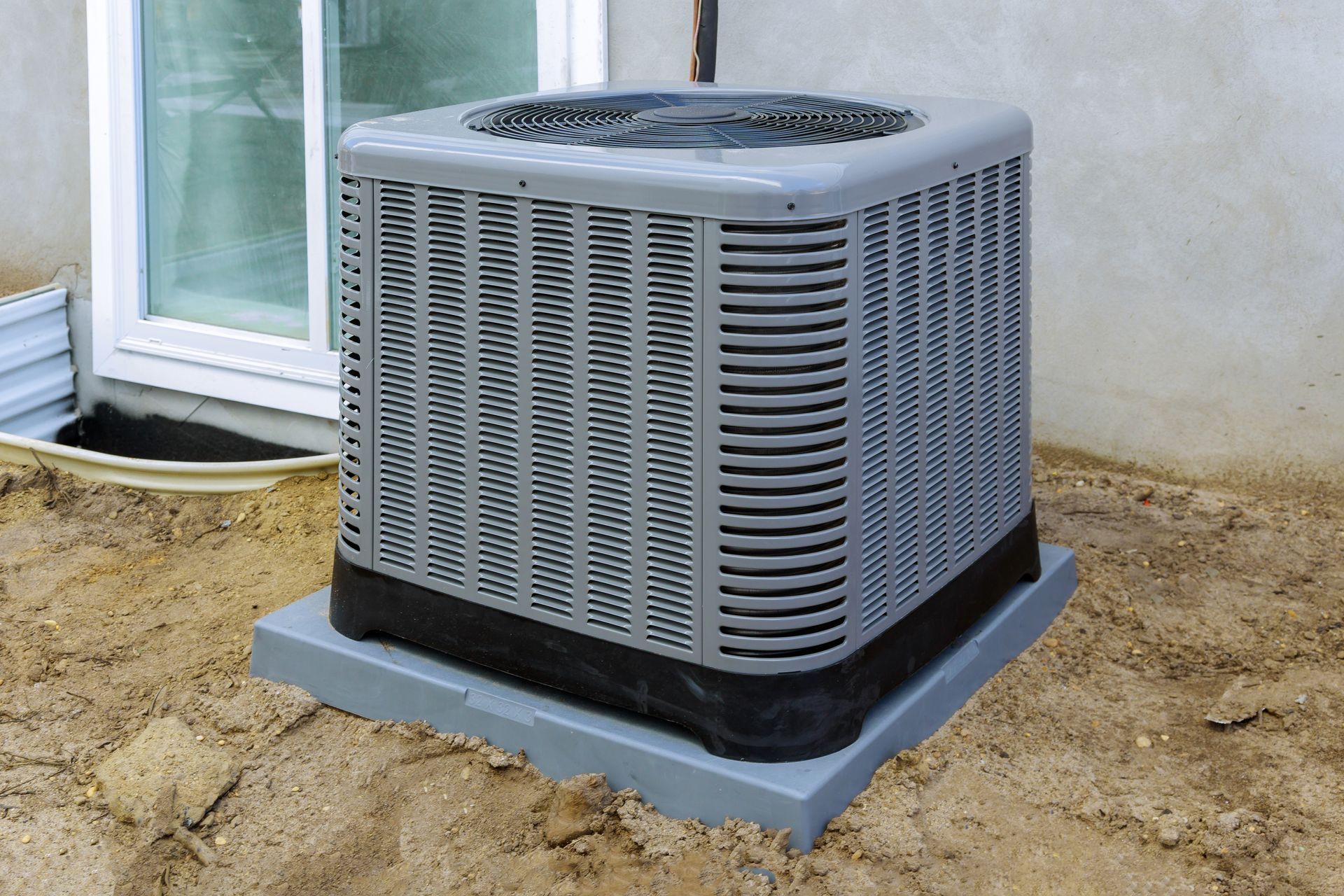
Residential HVAC service includes examining the furnace or air handler, checking the condensing unit outside, testing refrigerant pressures, inspecting ductwork for leaks or disconnections, and verifying that thermostats communicate correctly with system controls. Preventative maintenance involves cleaning coils, replacing filters, lubricating motors, and tightening electrical connections before minor issues escalate into complete system failures.
Request a detailed estimate based on your current system's age, condition, and the specific comfort issues you're experiencing.
How Heating and Cooling Systems Degrade Over Time
Forced-air systems lose efficiency as dust accumulates on evaporator coils, reducing heat transfer and making the compressor work harder to achieve the same temperature. Blower motors develop bearing wear that creates noise and reduces airflow. Refrigerant leaks occur at coil joints and service valves, gradually diminishing cooling capacity until the system can't keep up on the hottest days.
After Metro Air completes repair work, you'll notice consistent temperatures in rooms that were previously too hot or too cold, shorter run cycles as the system reaches setpoint more efficiently, and quieter operation once worn bearings or loose components are addressed. The system responds predictably when you adjust the thermostat, and utility costs stabilize as efficiency improves.
Complete system replacement becomes necessary when repair costs approach half the price of new equipment, when the existing system uses refrigerants that are no longer manufactured, or when the furnace heat exchanger develops cracks that allow combustion gases to mix with indoor air. High-efficiency replacements reduce energy consumption by twenty to forty percent compared to systems installed more than fifteen years ago.
Answers to Frequent Service Questions
Homeowners typically ask about system lifespan, maintenance frequency, and when to repair versus replace before scheduling service.
What causes some rooms to stay warmer or cooler than others?
Ductwork leaks, closed or blocked registers, inadequate insulation in specific areas, or an undersized system that can't deliver enough conditioned air to distant rooms all contribute to temperature imbalances. A technician uses airflow measurements and temperature readings to identify which factor is affecting your home.
How often should a residential HVAC system be inspected?
Annual inspections before the heating season and before the cooling season catch worn components, refrigerant loss, and airflow restrictions before they cause breakdowns. Systems older than ten years benefit from more frequent monitoring as mechanical parts approach the end of their service life.
When does it make sense to replace rather than repair a heating or cooling system?
If the equipment is more than fifteen years old, requires refrigerant that's no longer produced, or needs repairs costing more than half the replacement price, new equipment typically offers better long-term value through improved efficiency and reliability.
Why do HVAC systems fail more often during the first hot or cold days of the season?
Components that sit idle for months develop issues that only appear under load. Capacitors weaken, refrigerant leaks become apparent when the compressor runs continuously, and blower motors that seemed fine during mild weather struggle when the system operates for extended periods.
What should be included in preventative maintenance?
Cleaning or replacing filters, inspecting electrical connections, measuring refrigerant pressures, testing capacitors, lubricating motors, cleaning condenser coils, checking condensate drainage, and verifying thermostat calibration are standard steps that prevent most emergency breakdowns in Falls Church homes.
Metro Air provides system diagnostics that identify specific component failures rather than guessing at solutions. Contact us to arrange an evaluation of your heating and cooling equipment and receive repair recommendations based on actual test measurements.