Preventing Failures Before They Happen
HVAC Maintenance in Falls Church for systems that need consistent performance year-round
Consistent heating and cooling performance depends on routine maintenance that addresses minor issues before they cause complete system failures. Preventative maintenance from Metro Air in Falls Church includes seasonal tune-ups, system inspections, and filter and component replacement that keep equipment operating within manufacturer specifications. The work catches problems like refrigerant leaks, failing capacitors, and dirty coils while they're still small enough to fix without expensive emergency repairs.
System inspections verify that electrical connections remain tight, refrigerant charge stays at proper levels, and airflow across coils meets design specifications. Efficiency and performance checks measure how much energy the system consumes compared to its heating and cooling output, identifying when declining efficiency signals developing problems.
Schedule seasonal service to address maintenance requirements before peak heating and cooling seasons begin.
What Changes After Regular Maintenance
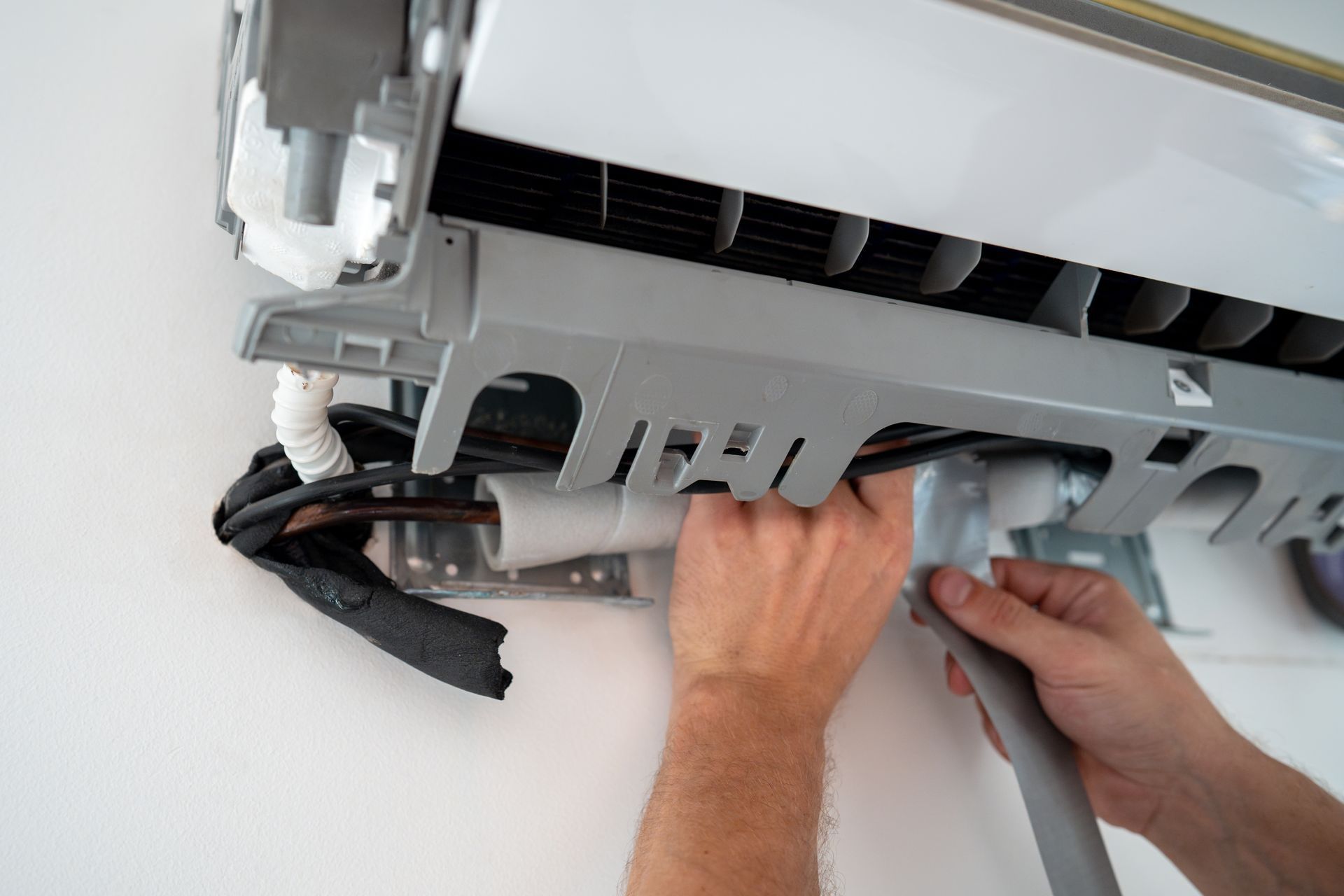
Routine maintenance involves cleaning components that accumulate dirt and debris during operation, tightening electrical connections that loosen from thermal expansion and contraction, and lubricating moving parts that wear from constant use. Seasonal tune-ups before summer and winter prepare the system for peak demand periods when failures are most disruptive and expensive to repair. Filter and component replacement prevents restriction of airflow that forces the system to work harder and consume more energy to maintain set temperatures.
You'll notice the system cycles more consistently after maintenance, without the extended run times or frequent starts that indicate struggling equipment. Energy consumption decreases compared to an unmaintained system because clean coils transfer heat more efficiently and proper refrigerant charge allows the compressor to operate at design capacity. The equipment runs more quietly without the rattling or grinding noises that develop when components need lubrication or adjustment.
Maintenance doesn't prevent all failures, but it significantly reduces the likelihood of breakdowns during extreme weather when repair availability is limited and costs are highest. The service extends equipment lifespan by reducing wear from operating with dirty filters, low refrigerant, or failing capacitors that force other components to compensate.
Common Questions About This Service
Property owners often ask about maintenance frequency and what the service actually includes.
How often does HVAC equipment need maintenance?
Most systems require service twice annually, with tune-ups scheduled before the cooling season in spring and before the heating season in fall. This timing addresses the specific components used during each season before peak demand begins.
What does a seasonal tune-up include?
The service covers cleaning evaporator and condenser coils, checking refrigerant charge and adjusting if needed, testing capacitors and contactors, inspecting electrical connections, measuring airflow, lubricating motors and bearings, and verifying that safety controls shut down the system properly when they detect abnormal conditions.
Why do filters need replacement if they still look relatively clean?
Filters trap particles too small to see easily, and even partial restriction reduces airflow enough to affect system performance. In Falls Church, where spring pollen and summer humidity increase airborne particles, filters often need replacement every one to three months during peak seasons rather than waiting the full manufacturer-recommended interval.
What problems does preventative maintenance catch before they cause failures?
Regular inspections identify refrigerant leaks while they're still small, capacitors that test weak before they fail completely, electrical connections that show signs of overheating, and blower motors that draw excessive current indicating bearing wear. Addressing these during scheduled maintenance prevents breakdowns that would otherwise occur during operation.
When should maintenance be scheduled for optimal performance?
Service is most effective when completed four to six weeks before peak heating and cooling seasons begin. This allows time to order parts if inspections reveal components that need replacement, rather than discovering problems when the system fails during the first hot or cold day of the season.
Metro Air provides efficiency and performance checks that measure how your system operates compared to its design specifications, identifying developing problems before they cause complete failures. Request an inspection to establish a maintenance schedule based on your equipment age and usage patterns.