Equipment That Delivers Long-Term Performance
HVAC System Replacement and Upgrades in Falls Church for properties with aging equipment, frequent breakdowns, or rising energy costs from inefficient systems
Furnaces and air conditioners wear out after fifteen to twenty years of operation, reaching the point where repair costs no longer make financial sense and efficiency has degraded enough that monthly utility bills have climbed significantly. Metro Air replaces complete heating and cooling systems in both residential and commercial properties throughout Falls Church, removing old equipment and installing high-efficiency furnaces, heat pumps, and air conditioning units sized correctly for the building's actual load. The replacement process includes load calculations to verify equipment capacity, ductwork inspection to identify leaks or restrictions that waste energy, and thermostat upgrades to programmable or smart controls that reduce runtime during unoccupied periods.
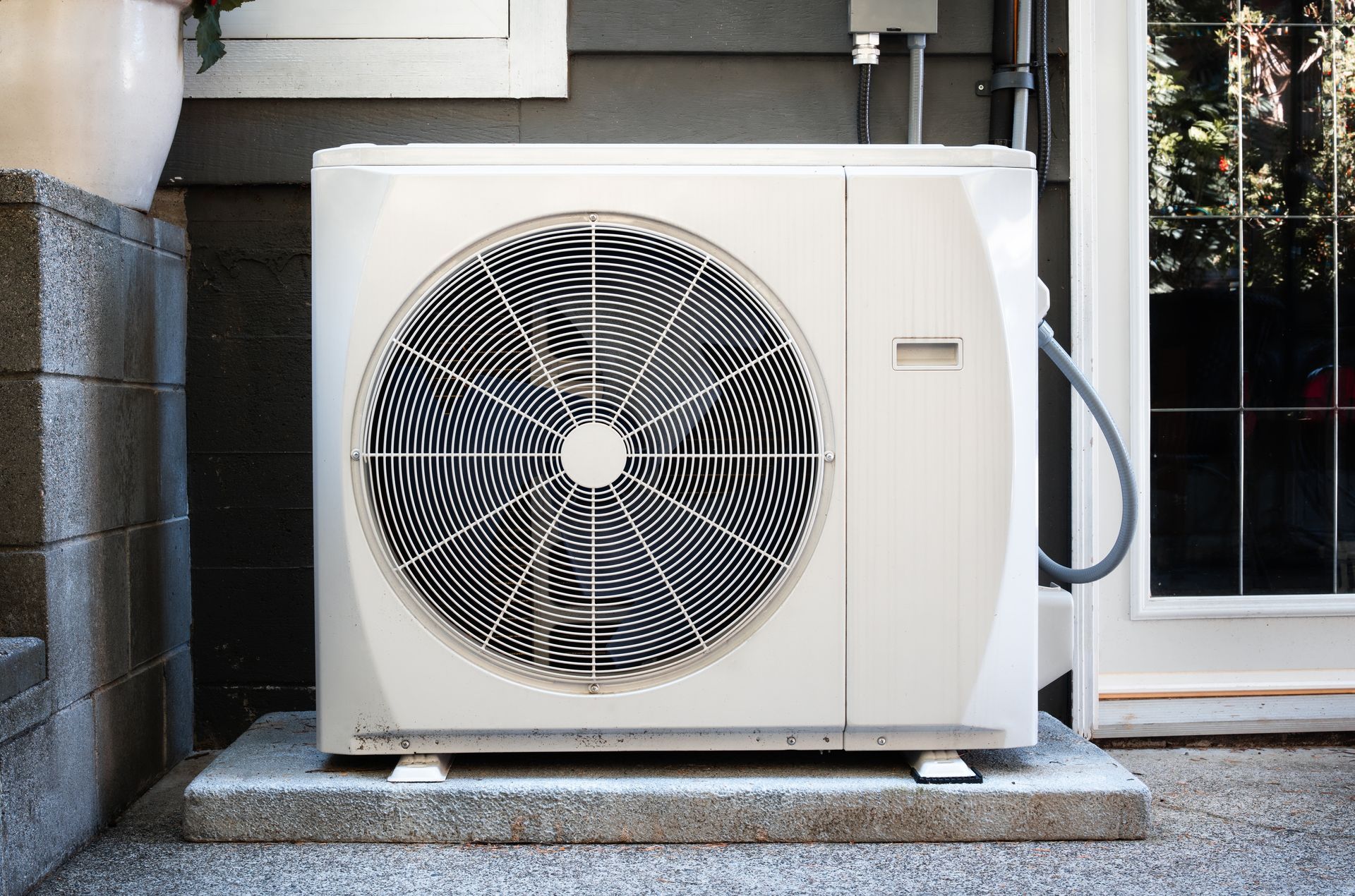
System replacement involves disconnecting old equipment, removing it from mechanical rooms or outdoor pads, installing new units with proper clearances and support, connecting refrigerant lines, wiring controls and safety devices, and testing system operation under actual heating or cooling load. High-efficiency systems include variable-speed blowers that adjust airflow based on demand, two-stage compressors that run at lower capacity during mild weather, and improved heat exchangers that extract more energy from fuel.
Request a detailed estimate based on your building's square footage, insulation condition, and current equipment performance to understand replacement options and efficiency improvements.
What You Notice Once New Equipment Operates
Load calculations determine the correct equipment size by measuring building volume, insulation R-values, window area and quality, air infiltration rates, and internal heat sources. Oversized equipment cycles on and off too frequently, failing to remove humidity and wearing out components faster. Undersized equipment runs continuously without reaching comfortable temperatures during extreme weather. Proper sizing ensures that systems run long enough to dehumidify during cooling season and maintain even heat distribution during winter.
After replacement, temperatures remain consistent throughout the building without the hot and cold spots that old, undersized systems created. Equipment operates more quietly as new blower motors and compressors eliminate the rattling and grinding noises that develop as bearings wear out. Utility bills drop noticeably because high-efficiency systems use less energy to deliver the same heating or cooling output, and variable-speed components avoid the energy waste of constant full-speed operation.
Upgraded systems include warranties that cover parts and sometimes labor for several years, reducing the risk of unexpected repair costs immediately after installation. Programmable thermostats allow you to set different temperatures for occupied and unoccupied periods, avoiding the energy waste of conditioning empty buildings.
Questions Before Starting Your Project
Property owners considering system replacement typically ask about equipment options, installation timelines, and expected performance improvements before committing to the investment.
How do you determine what size system a building actually needs?
Load calculations use building dimensions, insulation levels, window areas, occupancy patterns, and climate data for Falls Church to calculate heating and cooling requirements in BTUs. This prevents the common mistake of simply matching the tonnage of the old system, which may have been incorrectly sized originally.
What efficiency improvements justify the cost of system replacement?
If your current equipment is more than fifteen years old, new systems typically offer seasonal energy efficiency ratios that are forty to fifty percent higher, translating to lower monthly utility costs that offset the replacement investment over the equipment's lifespan. Variable-speed and two-stage systems provide additional savings by operating at reduced capacity during mild weather.
How long does complete system replacement take?
Residential installations typically require one to two days depending on whether ductwork modifications are necessary and whether the installation involves both heating and cooling components. Commercial replacements take longer due to equipment size, access challenges, and coordination with business operations to minimize downtime.
What happens to the old equipment after removal?
Refrigerant must be recovered according to environmental regulations before equipment disposal. Metal components are typically recycled, and proper disposal prevents refrigerants and oils from entering landfills where they cause environmental damage.
Why would ductwork need modification during system replacement?
If the existing ductwork was sized for different equipment, or if leaks and restrictions have developed over decades of use, modifications improve airflow and system efficiency. High-efficiency equipment requires specific airflow rates to perform as designed, and undersized or leaking ducts prevent the system from reaching its rated efficiency.
Metro Air conducts thorough building assessments before recommending specific equipment models and capacities. Contact us to schedule a replacement consultation and receive equipment options with projected efficiency improvements and installation timelines for your property.