Large-Scale Climate Control for Business Operations
Commercial HVAC Services in Falls Church for buildings where temperature consistency, equipment reliability, and occupant comfort directly affect business continuity
Commercial heating and cooling systems serve office buildings, retail spaces, restaurants, and warehouses where equipment failure disrupts operations, affects inventory, or makes spaces unusable for employees and customers. The service begins with evaluating the existing system's capacity against the building's current load, identifying whether the equipment is properly sized for the space and whether ductwork delivers adequate airflow to all zones. Metro Air handles installations of rooftop units, split systems, and packaged equipment designed for commercial duty cycles, plus repairs to compressors, air handlers, control systems, and refrigeration circuits that keep businesses operating without temperature-related interruptions.
The installation and repair process for commercial systems involves coordinating with building operations to minimize downtime, working around business hours when necessary, and ensuring that all work complies with local building codes and ventilation requirements. Preventative maintenance schedules are structured around the business calendar so inspections happen during low-traffic periods rather than peak operating times.
Arrange an on-site consultation to review your building's heating and cooling requirements and discuss equipment options that match your operational schedule.
What Changes After Commercial HVAC Installation Completes
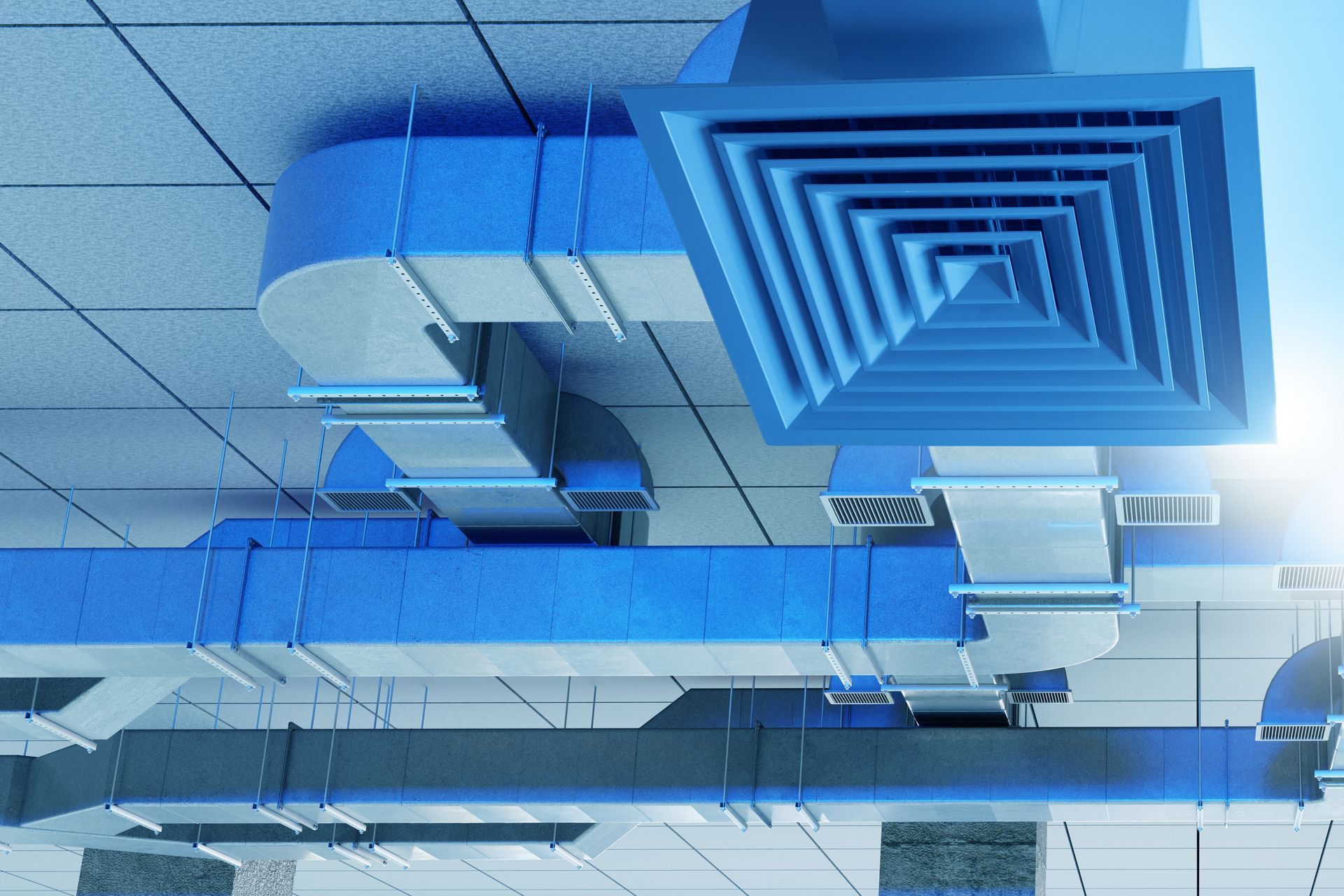
Commercial installations require load calculations that account for occupancy levels, equipment heat output, lighting loads, and building envelope characteristics. Rooftop units need structural support that handles equipment weight plus service access for technicians. Ductwork must be sized to deliver sufficient airflow to each zone without creating excessive noise or pressure drops that reduce efficiency.
Once the system operates, you'll notice stable temperatures throughout the building even during peak occupancy hours, and humidity levels remain controlled so that condensation doesn't form on windows or merchandise. Equipment operates quietly enough that conversations and business activities aren't disrupted, and thermostats respond predictably when staff adjusts settings for different areas.
Metro Air establishes maintenance agreements that include scheduled filter changes, coil cleaning, belt inspections, and refrigerant level checks timed to avoid conflicts with your business operations. Emergency service addresses breakdowns quickly to minimize the impact on employees, customers, or temperature-sensitive inventory.
Common Questions About This Service
Business owners and facility managers in Falls Church often need clarity on equipment lifespan, maintenance costs, and system capacity before making decisions about repairs or replacements.
How long does commercial HVAC equipment typically last?
Rooftop units and packaged systems generally operate reliably for twelve to fifteen years with regular maintenance. Compressors, blower motors, and control boards may need replacement during that period as components wear out under continuous-duty cycles.
What happens when a commercial system fails during business hours?
Priority service restores climate control as quickly as possible, often by diagnosing the failure remotely through building management systems and arriving with the necessary replacement parts already identified. Temporary cooling or heating solutions can be deployed for critical areas while repairs proceed.
Why do commercial systems in Falls Church require different maintenance than residential equipment?
Commercial equipment runs longer hours, handles higher occupancy loads, and experiences more frequent temperature swings as doors open and close throughout the day. Filters clog faster, coils collect more dust, and components wear out more quickly under these conditions.
What factors affect commercial HVAC energy costs?
Equipment efficiency ratings, ductwork condition, thermostat programming, building insulation, and how often exterior doors remain open all influence monthly utility expenses. Regular maintenance keeps efficiency from degrading as components age.
How is system capacity determined for a commercial building?
Load calculations factor in square footage, ceiling height, insulation values, window area and orientation, occupancy levels, lighting and equipment heat output, and ventilation requirements based on building codes. Undersized systems run continuously without reaching setpoint, while oversized systems cycle too frequently and fail to control humidity properly.
Metro Air works with business schedules to minimize operational disruption during installations and repairs. Set up a facility evaluation to assess your current system's condition and determine whether repair, upgrade, or replacement best serves your climate control needs.