Systems Built to Handle Decades of Use
HVAC Installation in Falls Church for aging equipment that no longer heats or cools efficiently
Metro Air handles residential and commercial HVAC installation in Falls Church when existing systems fail to maintain consistent temperatures or when energy costs climb due to outdated equipment. New system installation and equipment replacement address situations where repair costs exceed the value of keeping an older unit running. The work involves removing the existing system, installing energy-efficient equipment matched to the building's heating and cooling load, and verifying airflow and refrigerant levels meet manufacturer specifications.
The installation process begins with calculating the actual heating and cooling requirements for the space, which determines the equipment size and configuration needed to maintain comfort without wasting energy. System replacement and upgrades account for changes in insulation, window quality, and building usage that affect how much heating and cooling capacity the structure actually requires.
Schedule a property evaluation to determine the appropriate equipment size and configuration for your heating and cooling requirements.
What Proper Installation Requires
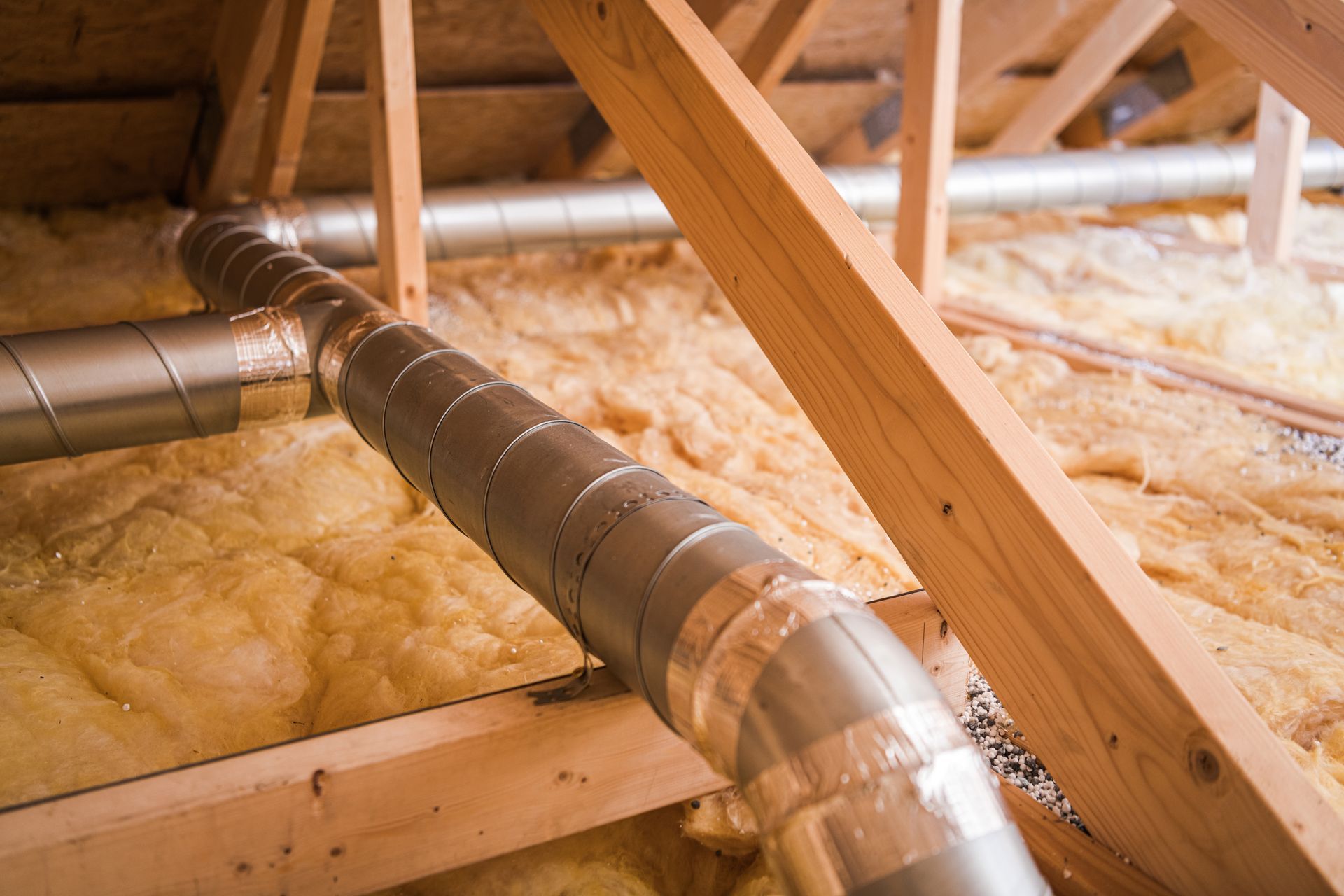
Installing a new HVAC system involves more than connecting equipment to existing ductwork. The process requires verifying that duct sizing matches the new system's airflow requirements, sealing connections to prevent conditioned air from escaping into unconditioned spaces, and calibrating thermostats to cycle the equipment at intervals that maintain temperature without excessive wear. Energy-efficient equipment operates differently than older systems, with variable-speed components that adjust output based on real-time demand rather than running at full capacity every cycle.
Once the system is operational, you'll notice rooms reach set temperatures faster and hold them more consistently throughout the day. Metro Air installs equipment that produces less temperature variation between rooms and reduces the noise level during heating and cooling cycles. The system will cycle less frequently because properly sized equipment doesn't need to run continuously to maintain comfort.
System replacement includes removing the old equipment, disposing of refrigerant according to EPA regulations, and updating electrical connections to match the new unit's power requirements. Commercial HVAC installation often requires coordinating the work during off-hours to avoid disrupting business operations, with staged installation that keeps portions of the building climate-controlled throughout the project.
What Property Owners Usually Ask
Questions about new system installation and equipment upgrades come up frequently, especially when evaluating options for residential and commercial properties.
How is the correct system size determined for a building?
The calculation accounts for square footage, insulation levels, window area and orientation, ceiling height, and occupancy patterns. Oversized systems cycle too frequently and fail to dehumidify properly, while undersized systems run continuously without reaching set temperatures.
What happens to the existing ductwork during installation?
Ductwork is inspected for leaks, proper sizing, and insulation condition. In Falls Church, where many older homes have undersized or leaking ducts, installation often includes sealing connections and adding insulation to reduce energy loss in unconditioned spaces like attics and crawlspaces.
How long does a complete system replacement take?
Most residential installations are completed in one to two days, depending on whether ductwork modifications or electrical upgrades are needed. Commercial projects vary based on equipment location and the complexity of the existing system.
What makes energy-efficient equipment different from standard systems?
Energy-efficient units use variable-speed compressors and fans that adjust output in small increments rather than running at full capacity every cycle. This approach reduces energy consumption by matching output to actual demand and extends equipment life by reducing the stress of constant start-stop cycles.
When should system replacement happen instead of repair?
Replacement makes sense when repair costs approach half the price of new equipment, when the existing system uses refrigerant that's no longer manufactured, or when the unit is more than 15 years old and requires frequent service calls. New systems also provide warranty coverage that eliminates repair costs for several years.
Metro Air installs systems matched to your building's specific heating and cooling requirements, with equipment selection based on load calculations rather than estimated sizing. Request a detailed estimate that includes equipment specifications and installation scope for your property.